University of Arizona  ·  Tucson

Tracing how risk moves through people's lives.

The ARROYO Lab works to internationally advance environmental and occupational health through improved risk analysis and the training of the next generation of EOH professionals. We study risk where it actually lands — in built environments, in workplaces, and in the everyday choices people make about their own health.

Applied Research on Risk, Outcomes y Occupations

Mel and Enid Zuckerman College of Public Health Department of Community, Environment & Policy
Research

Three questions hold our work together.

We work in the discipline of risk analysis, with three primary research foci — risk assessment, risk perception, and multidisciplinary innovation. Across all of them, we keep coming back to the same three questions.

01

How do we protect ourselves from harmful exposures in the built environment?

We build mathematical models of human behavior, environmental conditions, and microbial transport — from how often we touch contaminated surfaces to how pathogens move through indoor air — to figure out what it would actually take to get risks below thresholds people care about. Much of this work has been on harmful microbes in healthcare settings, where there are still no formal standards for environmental cleanliness.
Quantitative microbial risk assessment Exposure modeling Healthcare environments Fomite transmission Dose-response
02

Are people aware of the risks they face — and do they find them acceptable?

Risk thresholds have historically been set by experts. We think the people directly facing the risk — nurses doing the cleaning, residents drinking the water — should have a seat at the table. Using methods from behavioral economics, we study risk-risk tradeoffs (where reducing one risk creates another) and the perceptions communities hold about the safety of the air, water, and surfaces they live with.

Risk perception Risk-risk tradeoffs Behavioral economics Occupational health Water perception
03

How do we solve risk problems that sit at the heart of multiple disciplines?

Risk problems rarely belong to one field. We collaborate with statisticians, environmental microbiologists, civil engineers, hydrologists, optical scientists, and applied mathematicians — translating methods across disciplines to bring fresh tools to public health questions. Recent work has produced risk calculators for Legionnaires' disease, contact-tracing algorithms used internationally, and treatment guidance for direct potable water reuse.

Multidisciplinary innovation Risk tools Wastewater & water reuse Digital contact tracing Method translation
79  publications
Peer-reviewed articles as well as abstracts, editorials, and protocols
3  research foci
Risk assessment, risk perception, multidisciplinary innovation
14  journals
Where lab work has been cited and reviewed across disciplines
 collaborators
From microbiology to behavioral economics and beyond
People

Who's in the lab.

The ARROYO Lab is a new home for ongoing work. Here's who's leading it — with team additions on the way.

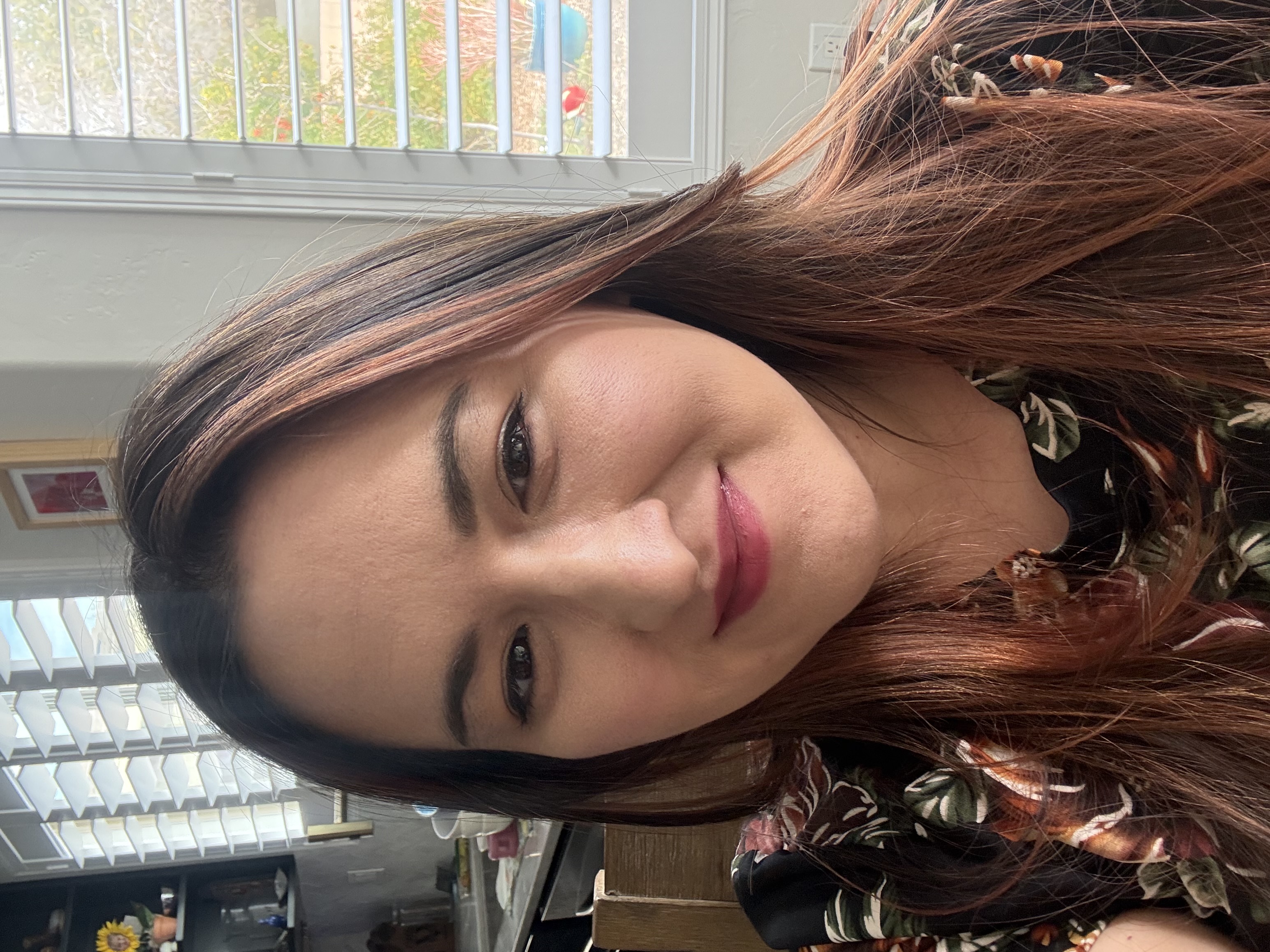
Amanda M. Wilson, PhD, MS

Amanda M. Wilson, PhD, MS

Principal Investigator  ·  Assistant Professor

I'm a quantitative microbial risk assessor by training, with a longstanding interest in how exposures move through built environments — especially harmful microbes in healthcare and the workers who manage them. More recently I've been pulled toward risk perception and behavioral economics, asking who gets to decide what counts as an acceptable risk.

I serve in the Department of Community, Environment & Policy at the University of Arizona's Mel and Enid Zuckerman College of Public Health, and I co-chair the Student and New Researcher Committee of the International Society for Exposure Science.

PhD Students

Six doctoral students working across the lab's research lines
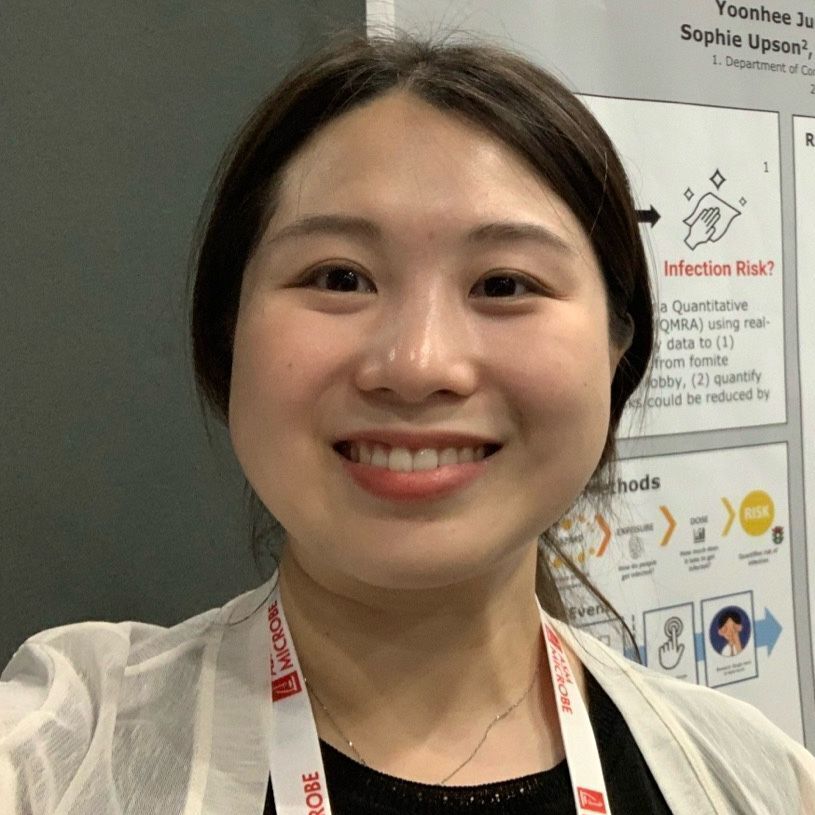
Yoonhee Jung

Yoonhee Jung

Bachelor's and master's in Environmental Engineering from Yonsei University, South Korea, focused on water treatment and disinfection. Research spans QMRA, infectious disease modeling, indoor environment interventions, and risk perception. Lead author on a laundry QMRA paper in the American Journal of Infection Control (2023).

YZ

Yang Zhan

Working on quantitative microbial risk assessment in office settings — with a focus on hot desking, the rise of shared desk spaces and the exposure questions that come with them.

Mehedi Hasan

Mehedi Hasan

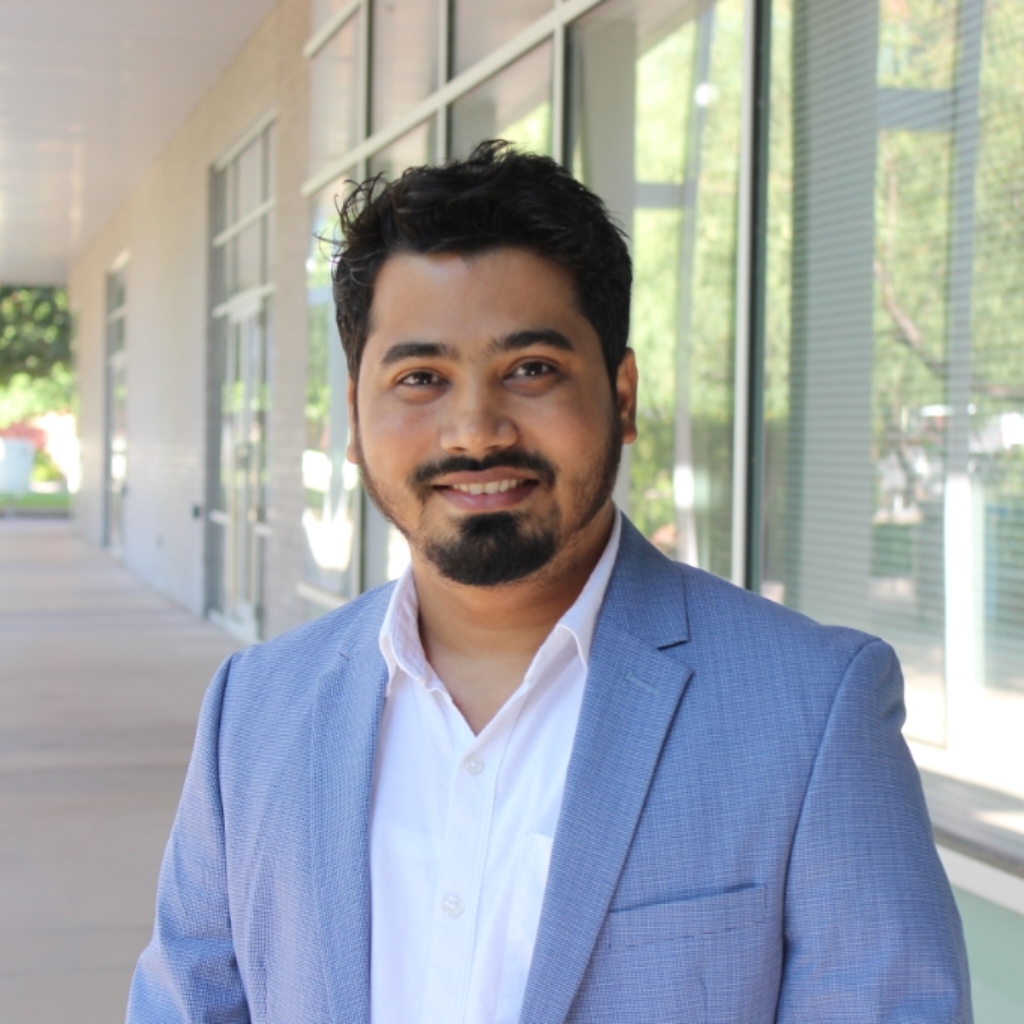
Roots for Resilience Fellow (2025). Research interests span microbial risk assessment, risk perception, and occupational health. Current work uses GIS to explore healthcare access for rural communities and to support risk assessment of biosolids land application across Arizona.

Tasnim Alshek Yousef

Tasnim Alshek Yousef

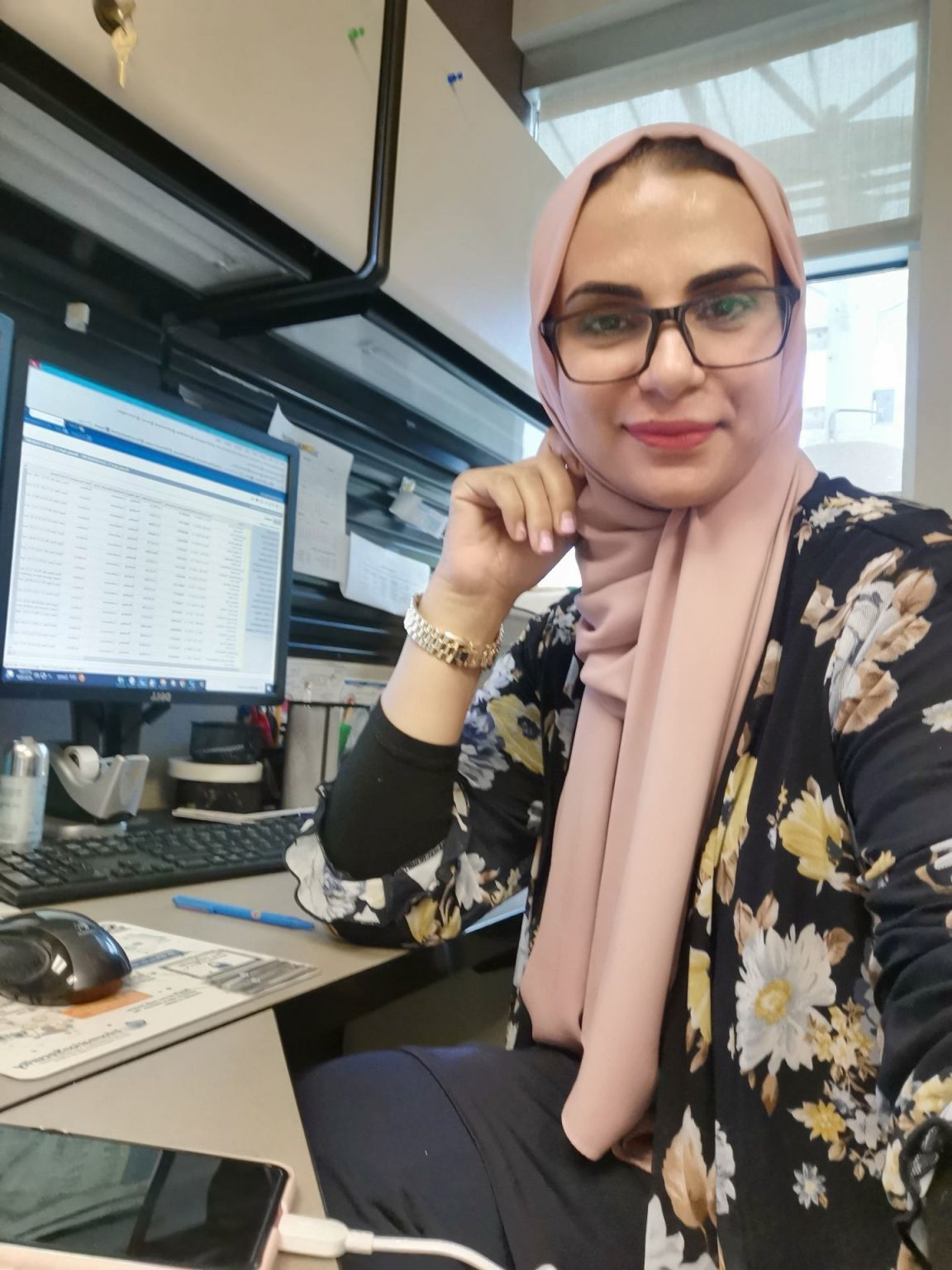
Practicing Infection Control Nurse at St. Joseph's Hospital with ten years of infection control experience. Certified in Infection Control and Epidemiology (CIC). Research focuses on HVAC systems and air quality in healthcare settings, with a minor in epidemiology.

Ahamed Ashraf

Ahamed Ashraf

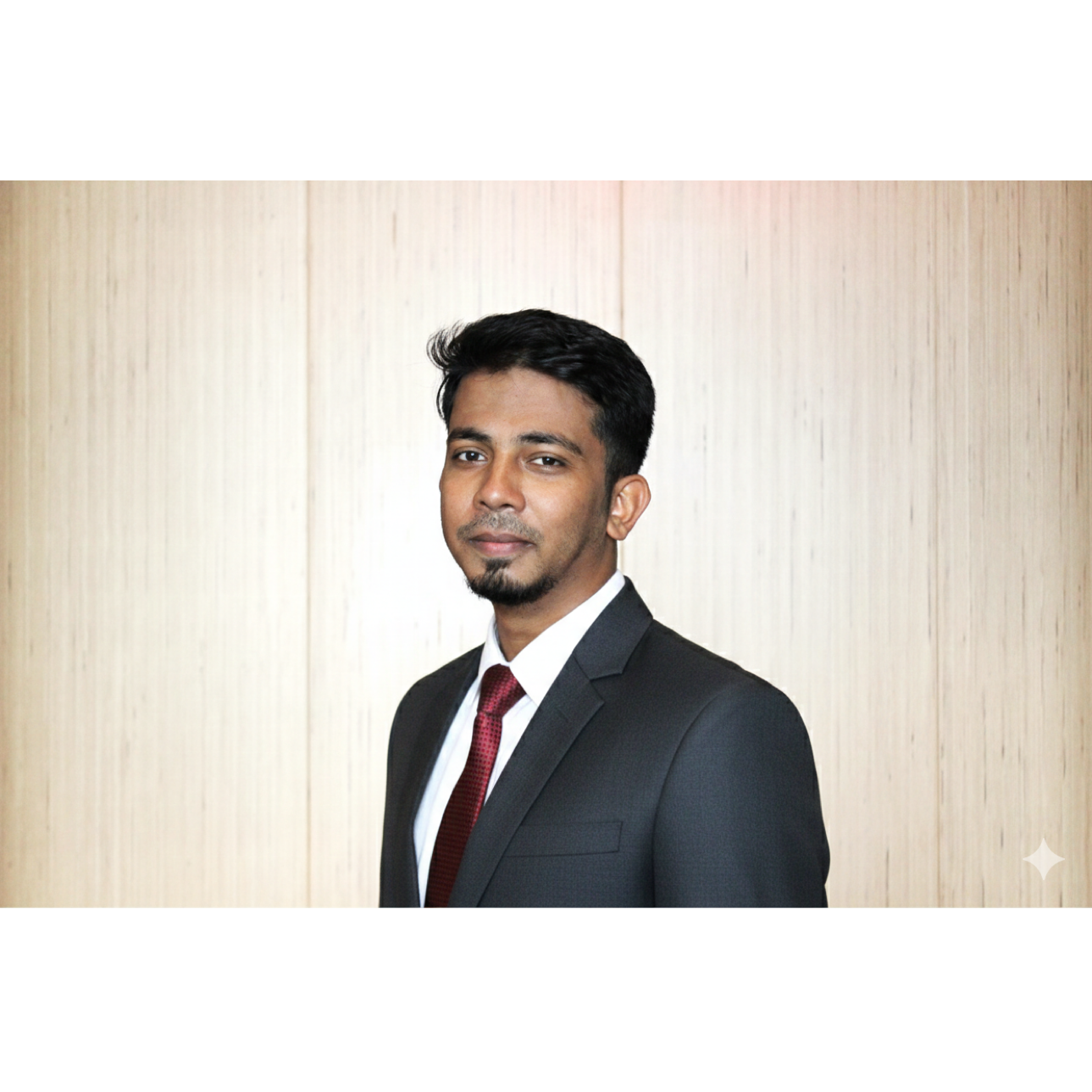
Master's and bachelor's in Public Health and Informatics from Jahangirnagar University, Bangladesh. Research focuses on biosolids gardening risk assessment, risk perception, and community engagement around environmental health questions facing Arizona communities.

Nana Adwoa Asante

Nana Adwoa Asante

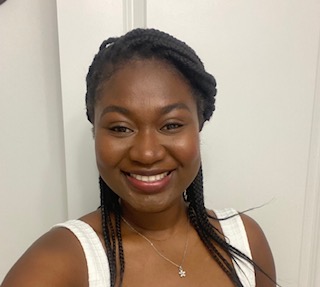
Physician trained in Ghana, with research interests in dermal and occupational health — especially contact dermatitis among nurses related to hand hygiene and cleaning/disinfection product use. Recently submitted a NIOSH-funded SCERC Pilot grant proposal as PI, with a first-author Perspective accepted in Annals of Work Exposures and Health.

Joining the lab?  See the Contact section if you're interested in PhD or master's-level work in risk analysis, exposure modeling, or risk perception research.
News & Updates

What's new in the lab.

Short notes on grants, publications, talks, and the small wins worth noting.

April 2026
Mehedi Hasan publishes a GIS StoryMap on equity, healthcare access, and transit in Pima County.
A first independent project for one of our PhD students, exploring spatial patterns and community insights with ArcGIS. The kind of thoughtful, multidisciplinary work that's exactly why we do this.
Spring 2026
Nana Adwoa Asante's first-author Perspective accepted at Annals of Work Exposures and Health.
A Perspective piece on hand hygiene research, with a scoping review in progress. A real first-year milestone.
Spring 2026
ARROYO Lab launches its public home.
After a productive few years of building research lines around microbial risk, occupational health, and risk perception, the lab has a name and a website. More on the way.
Early 2026
Two papers accepted: SC Johnson study and Water Reuse Ethics piece.
A microbial risk paper accepted at Risk Analysis, and an ethics piece on water reuse accepted at Water Reuse. The Annals of ATS Perspective is also under revision review.
2025
SWEHSC Pilot grant funded with Dr. Guo.
Pilot funding through the Southwest Environmental Health Sciences Center to advance a new collaborative line of work.
2025
K01 Year 3 application submitted to NHLBI.
Continuing the lab's work on risk-risk tradeoffs in healthcare cleaning and disinfection — putting decision-making power back with the workers facing the risk. Currently under review.
Contact

Get in touch — the right way for what you need.

Different visitors need different things. Find your path below, and we'll get back to you.

Prospective Students

Interested in joining the lab as a PhD or master's student? Tell us a bit about your background, what's drawing you to risk analysis, and which of our three research questions resonates most.

Email Dr. Wilson

Collaborators

Working on a risk problem that crosses disciplinary lines? We collaborate with engineers, microbiologists, behavioral economists, hydrologists, and others. We'd love to hear about it.

Start a conversation

Journalists & Media

For interviews, expert commentary, or background on microbial risk assessment, exposure modeling, risk-risk tradeoffs, or water perception research — reach out directly.

Media inquiries

Community Partners

Risk research is most useful when it's done with the people facing the risks. If you're working with a community on water, indoor air, or workplace health, let's talk.

Reach out